What should you never put in a spa pool? 7 things that ruin spa water

Cloudy water, a scum line, foam that will not shift: the cause is almost always something a bather brought in with them. Sunscreen, sweat and body oils come straight off skin and into the water. Here are the seven worst offenders, and the 30-second habit that stops them.

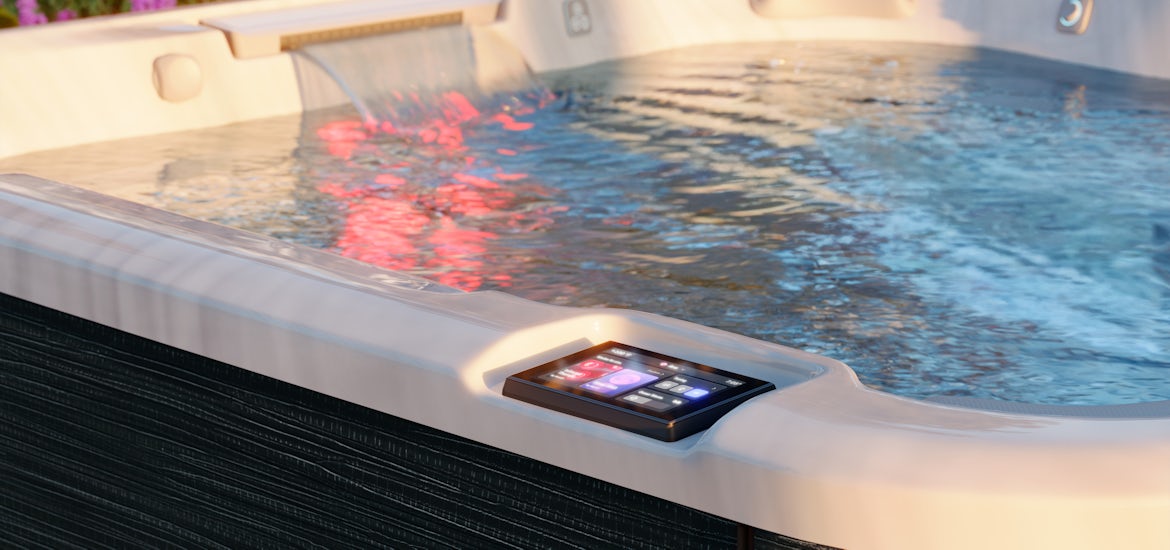
J508L™ hot tub control panel

Every person who gets into a spa brings a little of the outside world with them. That is why the same problems keep recurring for owners who otherwise do everything right.

The 7 things you should never put in a spa pool are:

  • Sunscreen and fake tan — oils and waxes that float and clog filters
  • Sweat — reacts with chlorine and eats your sanitiser
  • Body oils and moisturiser — the main cause of foam and greasy film
  • Deodorant and antiperspirant — fragrances and salts that cloud water
  • Hair products — wax, dry shampoo and hairspray rinse off as oily residue
  • Makeup — pigments and oils that cloud water fast
  • Dirt, sand and pet fur — debris and bacteria straight off feet and paws

All seven arrive on skin and hair, and all seven are removed by a rinse before you get in. Read on for why each one causes problems, what to do instead, and how an outdoor shower makes the pre-soak rinse automatic for everyone, including guests and kids.

What are the 7 things you should never put in a spa pool?

The seven worst contaminants in spa water are sunscreen, sweat, body oils and moisturiser, deodorant, hair products, makeup, and dirt or pet fur. Each clogs the filter cartridge, consumes sanitiser, or causes foaming. Together they account for most cases of cloudy water and scum lines.

Each one is covered below, along with what to do instead.

Why is sunscreen bad for a spa pool?

Sunscreen is bad for a spa pool because it contains oils, waxes and emulsifiers that do not dissolve in water. They float to the surface, leave a scum line around the acrylic shell, and pass into the filter cartridge where they restrict flow. Fake tan adds pigment that can tint the water.

Makeup causes the same problem. Foundation, concealer and mascara all carry oils and colour that cloud water and add filter load.

For sun protection at the spa, a hat and sunglasses do the job without contaminating the water. Permanent shade is the better long-term answer. Spa World® supplies louvre pergolas and outdoor umbrellas designed to sit over spas and swim spas, which removes the need for sunscreen at the spa entirely.

Why does sweat affect spa water?

Sweat affects spa water because it reacts with chlorine to form chloramines, the compounds responsible for the sharp smell and stinging eyes people associate with poorly maintained water. Chloramines consume sanitiser that should be cleaning the water, which means dosing more often for the same result.

Warm water makes this worse. Heat opens pores and raises perspiration, so a spa collects more sweat per person than a swimming pool does, in a fraction of the water volume.

That combination, high bather load and low water volume, is why spa water is far more sensitive to contamination than pool water.

Why does my spa water foam?

Spa water foams because of body oils, moisturiser, hair products and detergent residue on swimwear. Foam is caused by a build-up of surfactants, which, when combined with water and air, create bubbles. Foam is almost always a contamination problem rather than a chemical one.

The usual sources are natural skin oils, moisturiser and fake tan, hair wax, dry shampoo and hairspray, and detergent left in swimwear after washing.

Rinsing swimwear thoroughly after washing removes one of the most common causes. Rinsing yourself before you get in removes the rest. Anti-foam products treat the symptom, but the water still carries the oil load until it is filtered out or changed.

Watch the video below to learn how to treat and prevent spa foam.

Can dogs go in a spa pool?

Dogs should not go in a spa pool. Fur clogs filter cartridges quickly, dirt and outdoor debris discolour the water, and claws scratch the acrylic shell. A scratched acrylic shell cannot be repaired or replaced without replacing the spa, which makes this an expensive mistake rather than a cosmetic one.

dog by the spa

Dogs also introduce bacteria well beyond a normal bather load, which raises sanitiser demand.

For water-loving dogs, set up an alternative nearby: a shallow tub of fresh water, a bowl of drinking water and a few toys. An outdoor shower with a hand-held wand doubles as a practical way to rinse a muddy dog before it comes inside.

What is the easiest way to keep contaminants out of spa water?

Rinse before you get in. A 30-second rinse removes most sunscreen, sweat residue, body oils, hair product and dirt before any of it reaches the water. Less organic matter in the spa means less sanitiser consumed, fewer chemical adjustments, and longer between full water changes.

The problem with relying on the bathroom shower is that people skip it, especially guests and children who go straight from the backyard into the spa.

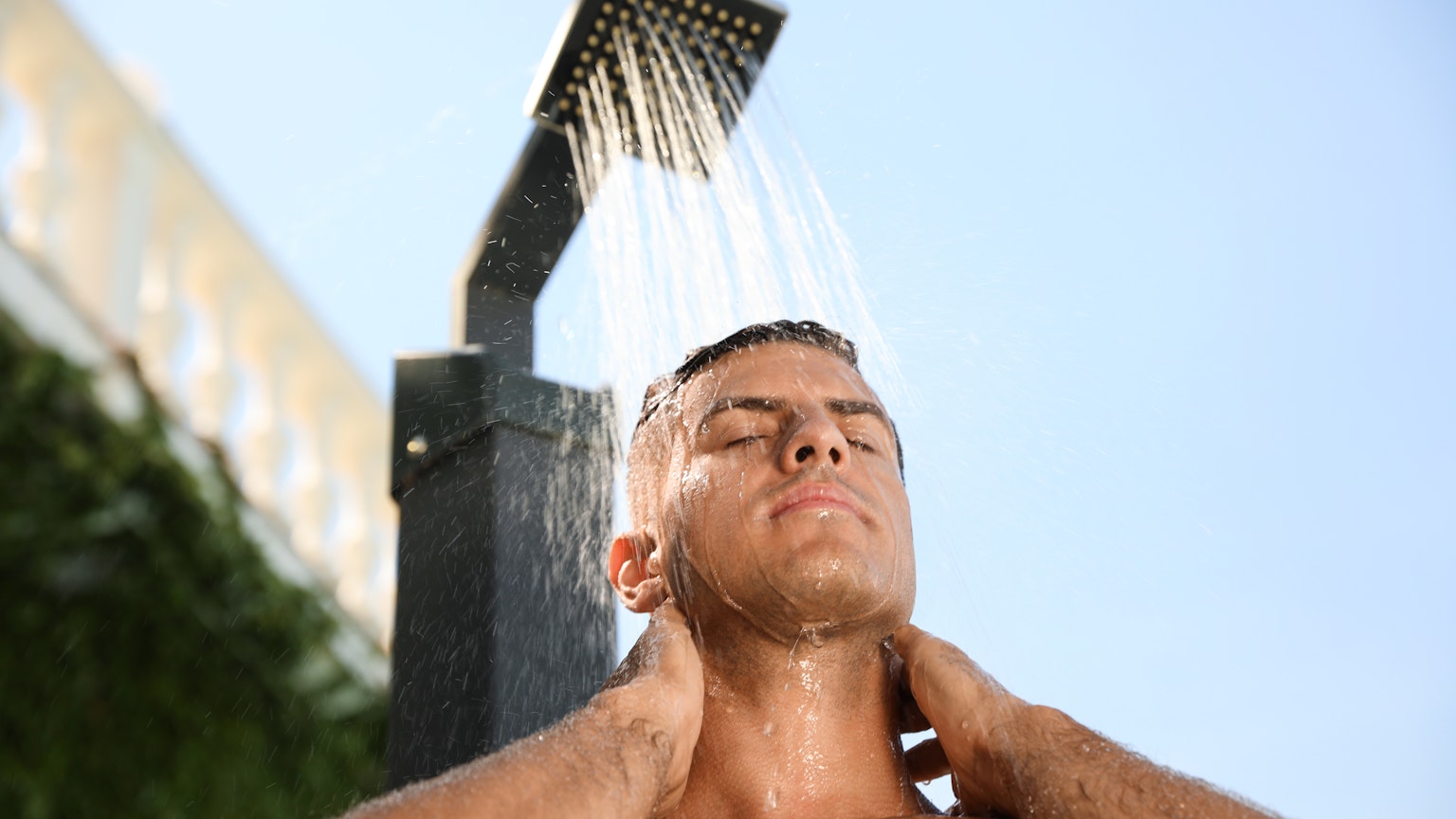
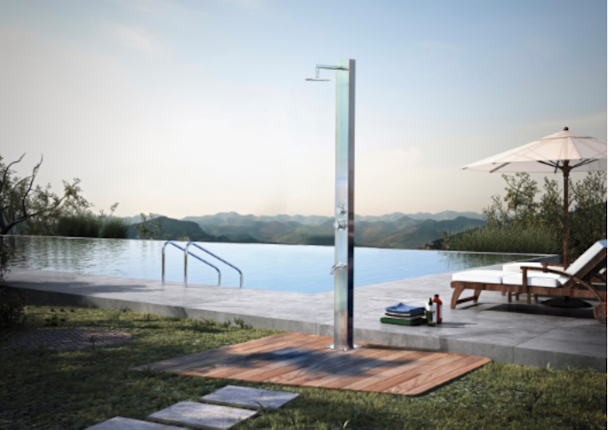
An outdoor shower beside the spa removes that friction. It makes the rinse the obvious thing to do rather than an errand, and it also handles sandy feet, muddy boots and the dog. For spa owners, it is the difference between a rule nobody follows and a habit everyone does automatically.

How does an outdoor shower save water and money?

An outdoor shower saves money by reducing chemical demand. Less organic matter entering the water means the sanitiser has less to work against, so dosing and balancing both drop. It also extends the interval between full drain-and-refills, which saves water.

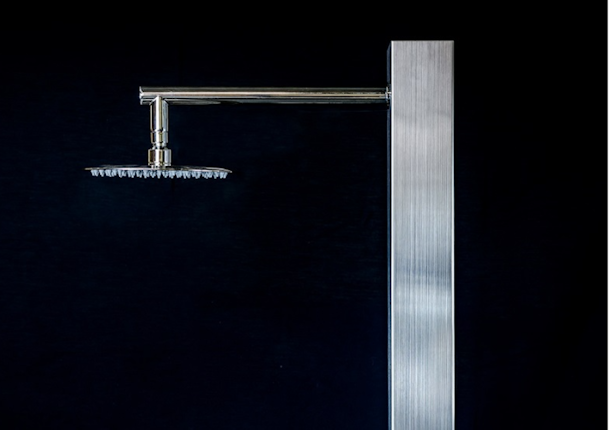
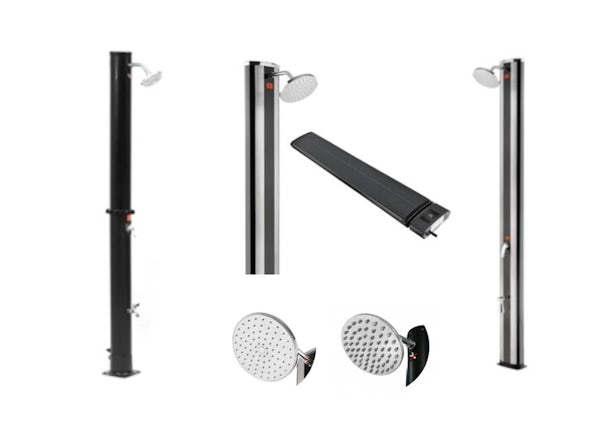
Spa World® stocks two types. Solar showers hold water in a tank warmed by the sun, connect to a standard garden hose, and need no plumber, no wiring and no power. Stainless steel showers are a permanent weatherproof fixture built for sun, salt and rain, with some models carrying a 10-year warranty.

Solar shower

Stainless steel shower

Install

Garden hose, bolts to deck or concrete

Freestanding or plumbed to mains

Plumber needed

No

Only if plumbed to mains

Running cost

None, sun-heated

None to minimal

Best for

Quick, affordable setup

Permanent installation, premium finish

What else should stay out of spa water?

Beyond the seven contaminants that arrive on skin, several other things should never enter spa water: essential oils, bubble bath, shampoo and household cleaning products all unbalance the chemistry and cause foaming. Food, drink and especially glass cause filter blockages, and broken glass usually means a full drain.

Jewellery should come off too, though the damage runs the other way. Spa sanitisers tarnish metal, dull finishes and discolour stones with repeated exposure.

Purpose-made spa aromatherapy products are formulated to disperse without residue, and are the safe alternative to essential oils. Spa World® stocks an approved aromatherapy range designed specifically for spa and swim spa use.

FAQs

It is not compulsory, but it is the most effective habit for keeping water clear. Rinsing removes the oils, sweat and products that cause foaming and cloudy water.

 It can. Less organic matter entering the water means the sanitiser has less to work against, which typically means fewer adjustments and lower chemical spend.

Sunscreen should be washed off before entering. Its oils and waxes clog filters and leave a scum line. Use a hat, sunglasses or permanent shade instead.

Cloudy spa water is usually caused by body oils, sunscreen, makeup and hair products building up faster than the filter can remove them. Rinsing before entry addresses the cause.

Solar showers do not. They run off a standard garden hose and heat using the sun. Plumbed-in showers connected to mains hot and cold water do require a licensed plumber.

No. Essential oils are not water-soluble, so they coat the filter, cause foaming and unbalance the chemistry. Use a purpose-made spa aromatherapy product instead.

Every three to six months for a spa pool, depending on use. Keeping contaminants out extends that interval.

In Summary

Cloudy water and stubborn foam usually aren't a chemical problem. Sunscreen, sweat, body oils, deodorant, hair product, makeup and dirt all come off skin the second you get in. The good news: one quick rinse takes care of all seven. Put a shower next to the spa and it stops being a rule nobody follows.

Article authored by: Mariam El Orfi

What our customers say about us

We work hard for your Five Star ratings.

Birdeye is a trusted platform for customer reviews and ratings.