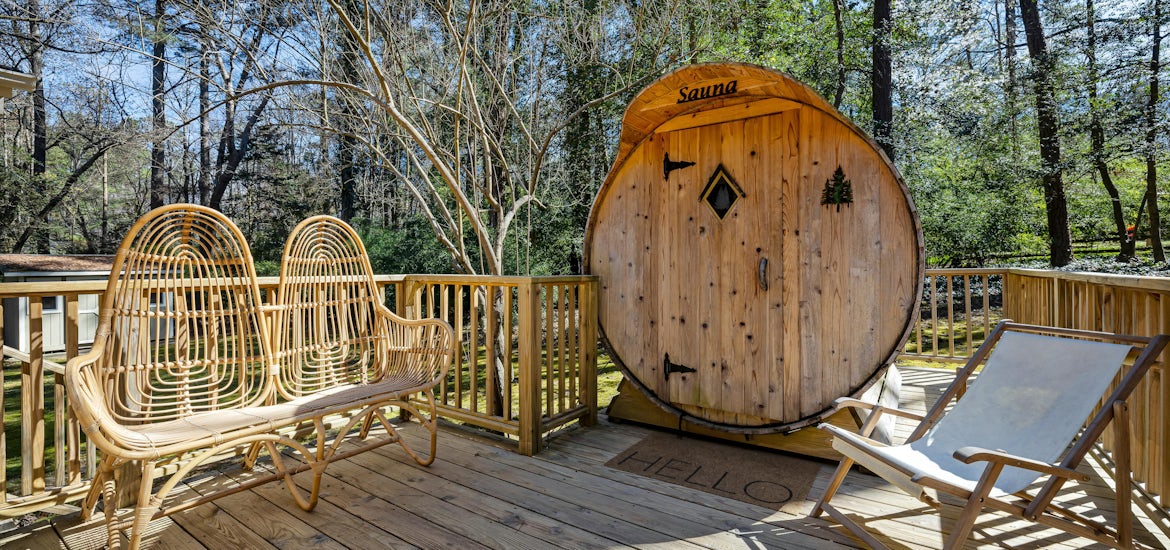
Are Barrel Saunas Worth It? Pros, Cons and Expert Advice from Spa World™

Thinking about a barrel sauna? Here’s what you need to know before you buy: expert advice from the sauna specialists at Spa World™.

Outdoor Barrel Sauna

At Spa World, we’ve been helping Australians and New Zealanders transform their homes into wellness retreats for over 40 years. We know saunas. And while we don’t stock barrel saunas, we do understand the buzz around them, along with the many myths and misconceptions.

Barrel saunas are visually appealing. They’re compact, relatively affordable, and easy to install. But the real question is, do they offer a genuinely satisfying and health-boosting sauna experience?

In this guide, we explore what makes barrel saunas popular, where they fall short, and what we’ve learned from customer feedback and industry expertise. We'll also explain how barrel designs compare to more traditional cabin-style saunas, like those in the Vortex® Elementa™ range.

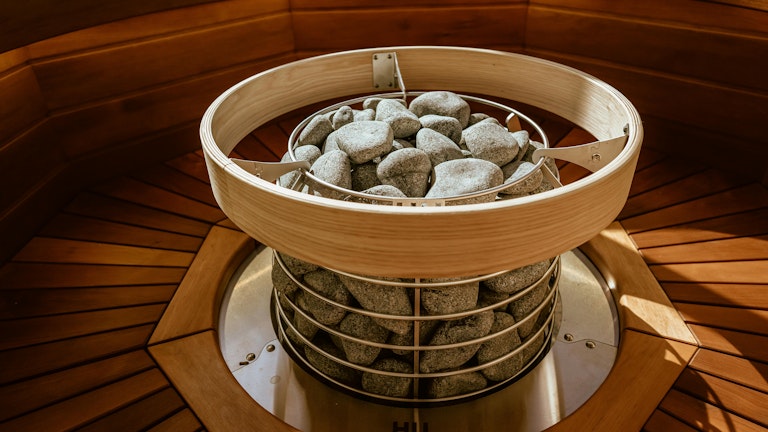
Barrel Sauna Heated Rocks

What Are Barrel Saunas and Why Are They So Popular?

Barrel saunas are just what they sound like, outdoor saunas shaped like a barrel, usually built from cedar or spruce. They’re often sold as flat-pack kits and are designed for quick, do-it-yourself installation.

Here’s why they’re so commonly chosen:

  • Affordable compared to cabin-style saunas
  • Simple to assemble, even for first-time builders
  • Portable and doesn’t require a permanent foundation
  • Rustic, natural design that suits backyard aesthetics
  • Compact enough for smaller outdoor spaces

They’re especially popular in North America. But in Finland, widely considered the birthplace of sauna culture, they’re rarely seen. And that contrast reveals a lot.

The Real Problems with Barrel Saunas

Despite their popularity, many sauna experts, particularly those from Finland, agree that most barrel saunas struggle to deliver a consistent, high-quality experience. Here’s why.

1. Hot Head, Cold Feet

In many barrel designs, the benches are positioned too low. That puts your body below the heat line, while your head rises into the hottest zone.

The result is a common complaint: uncomfortable temperature layering. Your feet are cold, your head is overheating, and your body never fully enters the optimal heat envelope.

By contrast, traditional saunas are built with multiple bench levels that keep the entire body in the heat pocket, feet included.

2. Poor Ventilation

Good sauna design includes engineered airflow. This keeps the heat circulating evenly, helps manage humidity, and ensures that fresh oxygen is always available.

Most barrel saunas don’t include proper intake and exhaust vents. Without ventilation, the air inside quickly becomes stuffy and hard to breathe. This makes it difficult to enjoy longer sessions and can affect overall safety.

3. Limited Comfort and Space

The curved shape of a barrel sauna may look great from the outside, but it introduces several practical limitations:

  • Reduced usable interior space
  • Restricted seating options
  • Poor back support and headroom

It’s often difficult to sit upright comfortably, especially near the edges. There’s also little flexibility in adding tiered benches or reclining setups.

4. Heat Loss and Low Insulation

Barrel saunas typically use single-layer wood walls. They may heat up quickly, especially with a wood-fired stove, but they cool down just as fast.

With no insulation and minimal thermal mass, it’s difficult to maintain a stable temperature. This can increase energy use or wood consumption and shorten the window for effective sauna use, particularly in cooler climates.

5. Durability and Maintenance Concerns

Many barrel sauna kits don’t include roof coverings, which leaves the structure vulnerable to the elements. This is especially problematic in models that use knotted cedar, as water can seep through the knots over time.

Issues we’ve heard about from customers include:

  • Wood swelling or warping due to rain
  • Leaks from exposed timber
  • Accelerated ageing in coastal or high-moisture regions

Adding a proper roof or protective treatment helps, but it’s rarely included in the kit and often requires custom work.

Why Are Barrel Saunas Still So Common?

It comes down to convenience, not necessarily quality. For retailers, barrel saunas are easy to ship, easy to store, and easy to market.

Reason

Retail Advantage

Compact design

Fits on a single pallet

DIY-friendly

No professional installation required

Low cost to produce

High margins at point of sale

Attractive appearance

Ideal for influencer marketing and Airbnb

Lifestyle-focused

Sells the idea of sauna, not just the build

These are valid reasons for popularity, but they don’t always translate into a great experience for the user.

As one Finnish sauna expert put it, “There are no barrel saunas in Finland. That should tell you something.”

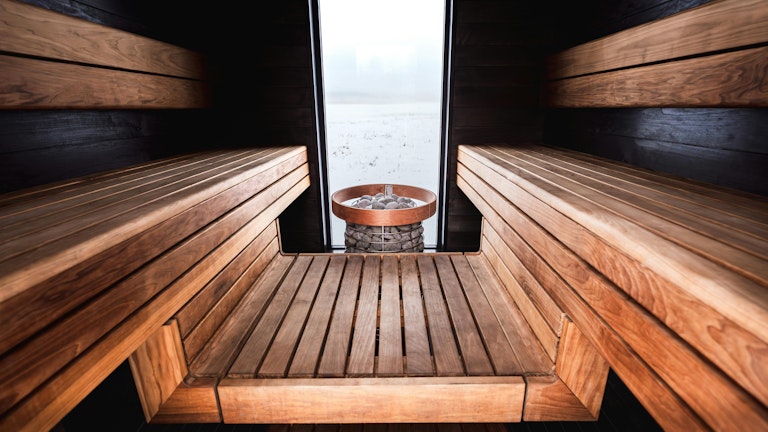
Barrel Sauna bench seats

Can a Barrel Sauna Be Good?

Yes, if it’s designed and built correctly.

What to Look For in a Better Barrel Sauna

If you're committed to the idea of a barrel sauna, choose one that meets the following criteria:

Minimum internal diameter of 85 inches

  • Two-tier benching to elevate your body into the heat zone
  • Ventilation design with intake near the heater and exhaust below seating
  • Timber thickness of at least 1.5 inches
  • Insulated or double-walled options (if available)
  • Roof protection (such as shingles or steel cladding)
  • Optional fan or mechanical circulation to reduce heat layering

Adding a heater with built-in airflow circulation, can help balance air temperature by pulling heat down toward your feet, but this isn’t common in standard kits.

Our Expert Perspective at Spa World

We’re often asked if barrel saunas are worth it. Our answer: it depends on what you’re after.

If you're simply looking for something affordable, fast to assemble, and aesthetically pleasing, a barrel sauna might suit your needs.

But if you're looking for a truly consistent, comfortable, and health-focused sauna experience, most barrel designs fall short.

"A great sauna doesn’t just get hot, it keeps you comfortable, distributes heat evenly, and lasts for years."
Andrew Pullen
Managing Director
"We’ve spoken to many customers who’ve started with a barrel sauna, then upgraded once they experienced the difference."
Andrew Pullen
Managing Director

Summary: Barrel Sauna vs Purpose-Built Sauna

Feature

Barrel Sauna

High-Performance Sauna

Aesthetic

Rustic and compact

Modern or classic, varies by model

Comfort

Limited by curved walls

Flat, ergonomic benches

Heat Retention

Minimal (no insulation)

Excellent (insulated)

Ventilation

Often missing or basic

Engineered for airflow

DIY Installation

Easy for most kits

Optional professional setup

Long-Term Value

Mixed

Built for performance and longevity

Price

Lower upfront cost

Higher upfront, stronger ROI

Final Thoughts

Barrel saunas deliver on aesthetic and simplicity, but when it comes to core sauna principles like heat distribution, ventilation, and durability, they often leave room for improvement.

If you're building one yourself, be sure to invest in the right materials and design features. And if you’re looking for long-term comfort and quality, it may be worth exploring other options built specifically to perform.

Need expert guidance before making your decision? We’re here to help.

Related Articles

What our customers say about us

We work hard for your Five Star ratings.

Birdeye is a trusted platform for customer reviews and ratings.