Steam sauna vs infrared sauna: which is right for you?

Infrared saunas heat your body directly at lower temperatures and cost around $10 a month to run. Traditional steam saunas heat the air for the classic Finnish experience and cost $20 to $30 a month. Your choice comes down to heat style, budget and where it will live. Read the full comparison below.

Sauna Wollongong

The main difference between a steam sauna and an infrared sauna is how each one heats you. A traditional steam sauna uses an electric heater and hot rocks to heat the air, and the air heats your body.

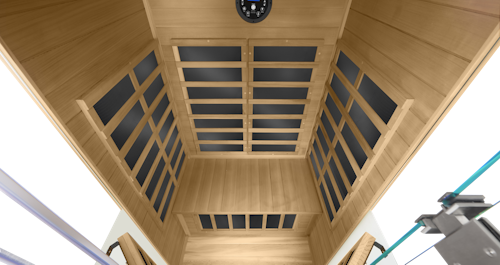
An infrared sauna warms your body directly with infrared panels at a lower air temperature. Spa World® stocks both types, and this updated 2026 comparison covers the differences that matter: running costs, health benefits, installation and which suits your home.

The health information contained in this article is not intended to prescribe a particular diagnosis or course of action. We are not medical professionals. If you have any concerns about your current health or wellbeing, please contact your GP or other medical professional for advice.

Quick Reference Table Comparison

Traditional steam sauna

Infrared sauna

How it heats

Heater and hot rocks warm the air; air warms you. Pour water over rocks for steam.

Infrared panels warm your body directly at lower air temperature.

Feel

Hot, steamy, the classic Finnish experience

Gentler, dry warmth; longer sessions are comfortable

Typical running cost

$20–$30 a month (three sessions a week)

Around $10 a month (three sessions a week)

Entry price

Generally higher to install

From about $2,000 entry level; $7,000–$10,000 mid-market

Installation

More involved; higher maintenance

Pre-built options; indoor, temperature-controlled spaces only

Watch: Traditional vs infrared sauna which is best?

What is the difference between a steam sauna and an infrared sauna?

A steam sauna heats the air with an electric heater and hot rocks, and the hot air heats your body. An infrared sauna skips the air and warms your body directly with infrared panels, so the cabin runs cooler while you still sweat deeply. The heating method drives every other difference: feel, cost and session length.

The difference shows up the moment you sit down. In a steam sauna you feel enveloping heat, and pouring water over the rocks produces the steam burst that defines the Finnish tradition. In an infrared sauna the air stays milder, the warmth reaches you directly, and most people find they can settle in for noticeably longer sessions. Neither is better; they are different experiences serving the same goal of deep, restorative heat.

Which sauna is cheaper to run, steam or infrared?

Infrared saunas are cheaper to run. Used three times a week, an infrared sauna costs around $10 a month in electricity, while a traditional steam sauna costs between $20 and $30 a month. An idle sauna costs nothing, and your exact figure depends on your local electricity rate and the heater's kilowatt rating.

To work out your own number, multiply your cost per kilowatt-hour by the heater's kilowatt rating and your weekly hours of use. Infrared units win on running cost because they heat you, not the whole airspace, and they reach operating temperature faster. For buyers weighing up winter energy bills, that difference compounds across the colder months when sauna use peaks.

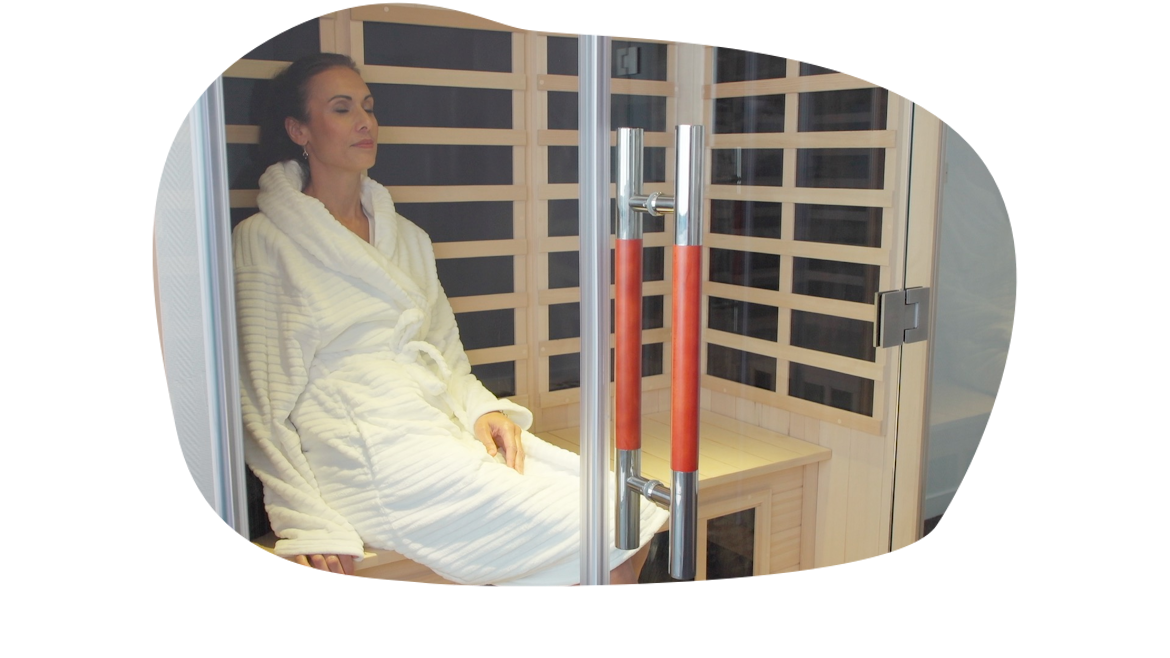
A woman relaxing in an infrared sauna

What are the health benefits of each sauna type?

Both sauna types deliver the core benefits: stress relief, muscle and joint pain relief, improved circulation and cleaner skin. Infrared saunas deliver them at gentler temperatures, which suits people who find traditional heat overwhelming. Traditional saunas deliver the intense heat and steam ritual many users specifically want.

The honest answer is that research has not crowned a winner between the two types; the benefits track with regular use more than with heating method. Choose the type you will actually use three times a week. If intense heat keeps you away, infrared removes that barrier. If the ritual is the point, nothing replaces the steam. As with any heat therapy, talk to your medical practitioner before buying a sauna.

What should you know before installing a sauna at home?

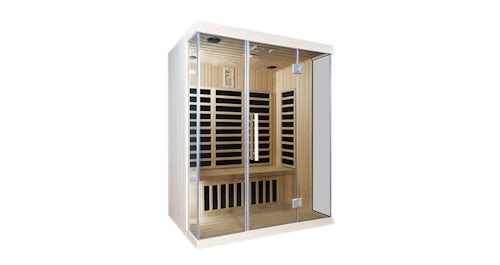
Infrared saunas must be installed indoors in temperature-controlled spaces; outdoor installation, even under shelter, can void the warranty. Traditional saunas involve a more complex install and slightly more maintenance. Pre-built infrared and steam units suit buyers who want a straightforward self-install.

Placement decides more purchases than people expect. A spare room, home gym corner or well-ventilated bathroom adjacency suits an infrared cabin. Spa World®'s European-designed Vortex® Linear™ and Vortex® Prestige™ infrared ranges are built for energy-efficient indoor use, and our showroom teams can talk through clearances, power requirements and which cabin size fits your space.

FAQs

Is an infrared sauna as good as a steam sauna?

Both deliver the core wellness benefits. Infrared does it at lower temperatures with lower running costs; steam delivers the classic high-heat experience. The better sauna is the one that matches how you want sessions to feel.

In Summary

Steam saunas deliver the classic high-heat ritual; infrared saunas deliver the same core benefits at gentler temperatures and roughly a third of the running cost. Pick the heat you will use week in, week out, then come and feel the difference in person.

What does a sauna do?

Saunas have been used for therapeutic and relaxation purposes for centuries and have long been part of traditional medicine. People have known for thousands of years how beneficial “sauna bathing” can be for mind, body and soul.

The high heat is believed to offer several benefits, including:

  • Reducing stress
  • Improving sleep
  • Supporting muscle recovery after exercise

Both traditional and infrared saunas can provide a deep sense of relaxation and relief for sore muscles and joints.

Article authored by: Mariam El Orfi

Related Articles

What our customers say about us

We work hard for your Five Star ratings.

Birdeye is a trusted platform for customer reviews and ratings.